
Meyers Personal Injury Law | November 1, 2025 | Personal Injury

Understanding how personal injury lawyers receive payment in Nashville, TN, can help you make informed decisions after an accident. Personal injury law operates on a unique payment structure that differs from other legal services. This arrangement makes quality legal representation accessible to people who might not otherwise be able to afford it.
By understanding this process and other payment aspects of personal injury law, you can confidently navigate the legal process after an accident.
The Contingency Fee Model
Most personal injury lawyers work on a contingency fee basis. This means they only get paid if they win your case. The lawyer receives a percentage of your settlement or court award rather than charging by the hour, and you are not responsible for any upfront fees.
This payment structure aligns a lawyer’s interests with yours. They’re motivated to secure the best possible outcome because their payment depends on it. If you don’t recover compensation, you don’t owe attorney fees.
What Tort Law Means For Your Case
Tort law is the area of law that covers personal injuries and civil wrongs. When someone’s negligence or intentional actions harm you, torts and personal injury law provide a path to compensation. Understanding the basics of personal injury tort law helps you know what to expect in your case.
A personal injury tort occurs when one party’s actions cause harm to another. Motor tort cases involving automobile accidents are among the most common. Automobile torts are legal claims arising from vehicle collisions in which someone’s careless driving caused injury.
Additional Costs Beyond Attorney Fees
Attorney fees aren’t the only costs in a personal injury case. Cases also involve expenses for gathering evidence and building your claim. These costs are typically separate from your lawyer’s contingency fee.
Personal injury case expenses typically include:
- Medical record retrieval fees
- Expert witness fees
- Court filing fees
- Investigation costs
- Deposition transcription fees
Most personal injury lawyers cover these costs upfront. They’re reimbursed from your settlement or award. If you lose, many firms absorb these expenses rather than billing you.
How Settlement Payments Are Distributed
When you receive a settlement or court award, the money doesn’t go directly to you. The funds first go to your attorney’s trust account. From there, they distribute payment according to a specific order.
The typical distribution follows this pattern:
- Case expenses are paid first
- Attorney fees are paid second
- Any medical liens from healthcare providers are satisfied
- You receive the remaining balance
A good lawyer should clearly explain their fee structure during your initial consultation. Your attorney should provide a detailed breakdown that shows exactly where every dollar is allocated. Transparency in the distribution process is essential for maintaining trust between attorneys and clients.
How Does the Contingency Fee Model Benefit Clients?
The contingency fee structure removes financial barriers to legal representation. You don’t need to pay money up front to hire a skilled attorney. This levels the playing field against insurance companies and large corporations.
Personal injury tort law becomes accessible to everyone regardless of their financial situation. You can pursue justice without worrying about hourly rates adding up. The system also filters cases because lawyers only take claims they believe have merit.
Free Consultations and Case Evaluations
Most personal injury lawyers offer free initial consultations. During this meeting, they evaluate your case and explain your options. You learn whether you have a valid claim under tort and personal injury law.
These consultations give you a chance to ask important questions:
- What is your experience with cases like mine?
- What percentage do you charge?
- How long might my case take?
- What expenses should I expect?
- How will we communicate throughout the process?
Use this opportunity to find an attorney you trust and feel comfortable with.
What Happens if You Fire Your Lawyer
Sometimes clients need to change attorneys during their case. You have the right to switch lawyers at any time. However, your original attorney may still be entitled to compensation for work already completed.
Courts typically divide fees between lawyers. This means each attorney receives payment proportional to the work they performed. The exact division depends on your fee agreement and the stage your case has reached.
Contact Meyers Personal Injury Law for a Free Consultation With a Nashville Personal Injury Attorney Today
Understanding how personal injury lawyers get paid helps you make confident decisions about your case. The contingency fee model provides access to experienced attorneys without incurring financial risk. Meyers Personal Injury Law can help you make an informed decision about legal representation.
If you were injured in an accident in Nashville or Brentwood and need legal help, contact our Nashville personal injury lawyers at Meyers Personal Injury Law to schedule a free case review today.
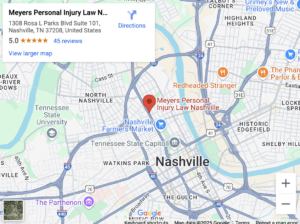
Meyers Personal Injury Law Nashville
1308 Rosa L Parks Blvd Suite 101,
Nashville, TN 37208
(615) 258-9000

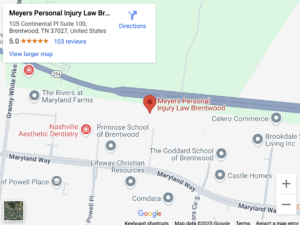
Meyers Personal Injury Law Brentwood
105 Continental Pl Suite 100,
Brentwood, TN 37027
(615) 258-9000
About the Author Chad Meyers

Chadwick D.G. Meyers is the founding attorney of Meyers Personal Injury Law. He earned his J.D. from the Nashville School of Law and focuses his practice on serious personal injury cases involving car accidents, wrongful death, funeral home negligence, and more.
Chad is frequently consulted by attorneys nationwide on complex claims and has been recognized by The National Trial Lawyers and other legal organizations. Click here to view some of the successful case results Chad has achieved for his clients.