
Meyers Personal Injury Law | October 18, 2025 | Personal Injury
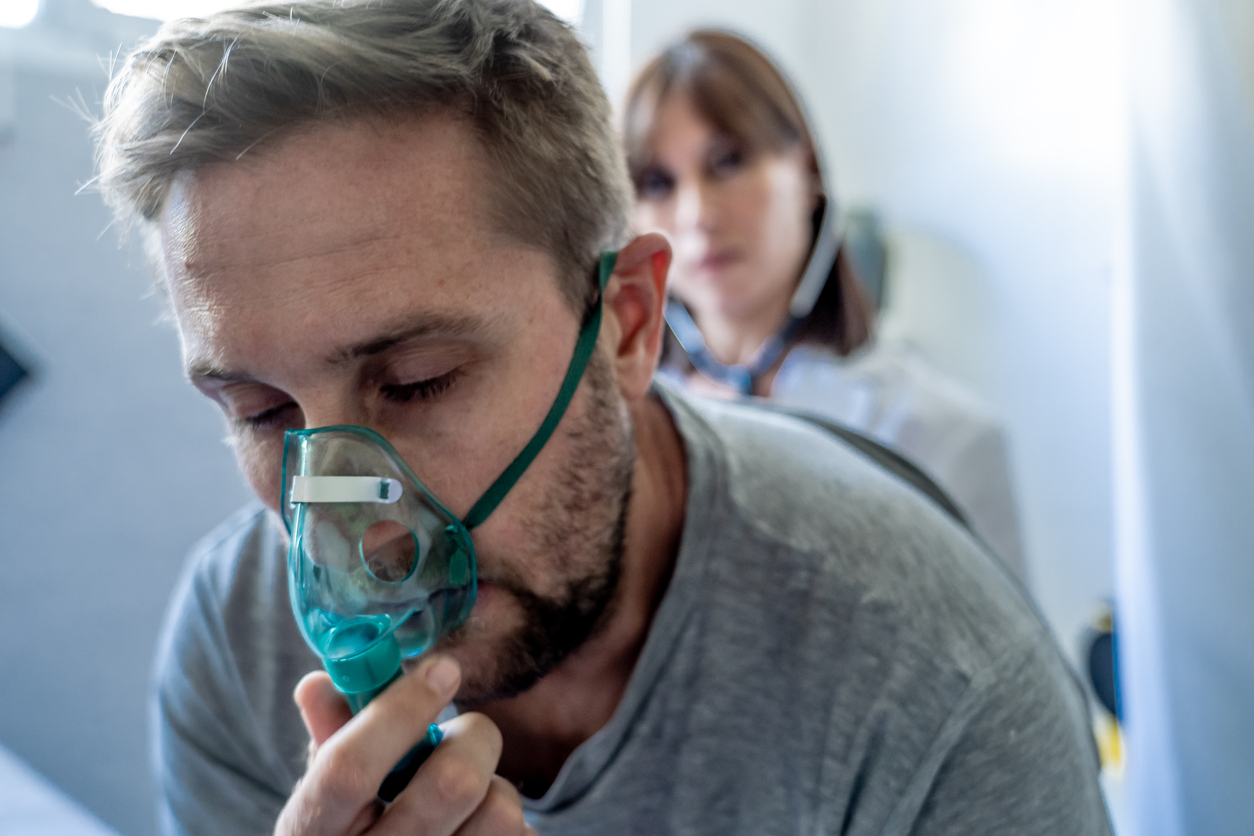
An intercostal muscle strain occurs when the muscles between your ribs become overstretched or torn. These muscles play an important role in breathing and stabilizing your upper body. When injured, they can cause pain, stiffness, and reduced range of motion. The discomfort may feel like mild tenderness or a sharp pain that worsens with deep breaths or certain movements.
An intercostal strain may cause chest wall pain and restrict daily activity. Pain usually worsens with deep breathing or torso movement. The level of discomfort depends on how many fibers are torn and how severe the injury is. Proper evaluation helps determine the most effective treatment and recovery plan.
Common Causes of Intercostal Muscle Strains
The muscles between your ribs can become strained from a variety of movements or impacts. A sudden twist or stretch of the upper body can overstretch these muscles, while a direct blow to the chest—such as from a fall or car accident—may cause them to tear.
Sports that rely on repetitive upper-body motion, like tennis, rowing, or baseball, often place continuous stress on the rib cage. Even something as simple as a forceful cough or sneeze can occasionally trigger a strain.
Skipping a proper warm-up before physical activity increases the likelihood of injury, as does poor posture or muscle imbalance. Individuals who frequently lift heavy objects or engage in repetitive upper-body movements are at greater risk. Understanding these common causes can help you prevent future injuries through regular stretching, proper technique, and balanced muscle strengthening.
Symptoms That May Indicate an Intercostal Muscle Injury
Pain in the chest wall is the main symptom of an intercostal muscle strain. The pain often affects one side of the chest and may worsen when you breathe, cough, or twist your torso. The area may feel tender or sore when touched. You might notice sharp pain that limits your ability to take deep breaths.
More severe strains can cause shortness of breath. Muscle spasms around the ribs sometimes develop and intensify the pain. Some people see bruising or swelling near the injured spot. Because these symptoms resemble other medical problems, such as rib fractures or heart-related pain, you should seek medical care to confirm the cause.
Diagnosis and Treatment of Intercostal Muscle Strains
Doctors diagnose intercostal muscle strains through a physical exam, a review of your symptoms, and sometimes imaging tests to rule out more serious injuries. Treatment often includes rest, ice or heat therapy, and over-the-counter pain medication.
In more severe cases, physical therapy can help restore strength and flexibility to the chest muscles. Avoiding activities that aggravate the pain is important for proper healing. With appropriate care, most people recover fully within a few weeks to a few months, depending on the severity of the strain.
When an Intercostal Muscle Strain Results from an Accident
Intercostal muscle strains can happen during car accidents, slip-and-fall incidents, workplace injuries, and other sudden impacts. Like many injuries, they can bring unexpected costs and challenges, including medical bills and time away from work.
If another person’s negligence caused your injury, you may have grounds for a personal injury claim. A successful claim can help you recover compensation for medical expenses, lost wages, and the pain and suffering you’ve endured. Reaching out to an attorney soon after the accident ensures that important evidence is preserved and that your legal rights are protected from the start.
Compensation Available for an Intercostal Muscle Strain
If your intercostal muscle strain resulted from an accident, you may be entitled to several forms of compensation. This can include reimbursement for medical care, physical therapy, and prescription costs.
If your injury kept you from working, you may also recover lost income. Additionally, compensation for pain and emotional distress acknowledges the physical discomfort and mental challenges caused by your injury.
Contact Meyers Personal Injury Law for a Free Consultation
If you suffered an intercostal muscle strain due to an accident, consider speaking with a personal injury attorney at Meyers Personal Injury Law. Our team can review your situation and explain your legal rights.
If you were injured in an accident in Nashville or Brentwood and need legal help, contact our Nashville personal injury lawyers at Meyers Personal Injury Law to schedule a free case review today.
Meyers Personal Injury Law Nashville
1308 Rosa L Parks Blvd Suite 101,
Nashville, TN 37208
(615) 258-9000

Meyers Personal Injury Law Brentwood
105 Continental Pl Suite 100,
Brentwood, TN 37027
(615) 258-9000
About the Author Chad Meyers

Chadwick D.G. Meyers is the founding attorney of Meyers Personal Injury Law. He earned his J.D. from the Nashville School of Law and focuses his practice on serious personal injury cases involving car accidents, wrongful death, funeral home negligence, and more.
Chad is frequently consulted by attorneys nationwide on complex claims and has been recognized by The National Trial Lawyers and other legal organizations. Click here to view some of the successful case results Chad has achieved for his clients.